How to Build a Scalable Web Application in 2026: A Full Stack Web Developer’s Guide
How to Build a Scalable Web Application in 2026: A Full Stack Web Developer’s Guide
Many Nigerian businesses still struggle with slow websites that crash during peak traffic or incur high maintenance costs as they grow. These issues lead to lost customers, poor user experience, and wasted money on constant fixes.
As a Full Stack Web Developer and Entrepreneur based in Port Harcourt, Nigeria, I’ve helped numerous local businesses launch fast, scalable web applications that drive real growth. In this guide, I’ll walk you through a practical approach to building scalable web applications that perform well today and can handle tomorrow’s demands.
Why Scalability Matters for Web Applications in 2026
Scalability is the ability of your web application to handle growing numbers of users, traffic, and data without losing speed or reliability.
In 2026, scalability has become essential for several reasons:
- Performance & User Experience: Users expect lightning-fast loading times. A scalable app stays responsive even as traffic increases, reducing bounce rates and improving satisfaction.
- User Growth: Whether your business goes viral or expands steadily, a scalable system supports sudden spikes in users without crashing.
- Cost Efficiency: Well-designed scalable applications use resources intelligently (e.g., cloud auto-scaling), so you only pay for what you actually use instead of over-provisioning servers.
For Nigerian businesses operating with variable internet speeds and growing digital demands, building with scalability in mind from day one prevents expensive rewrites later.
Choosing the Right Tech Stack
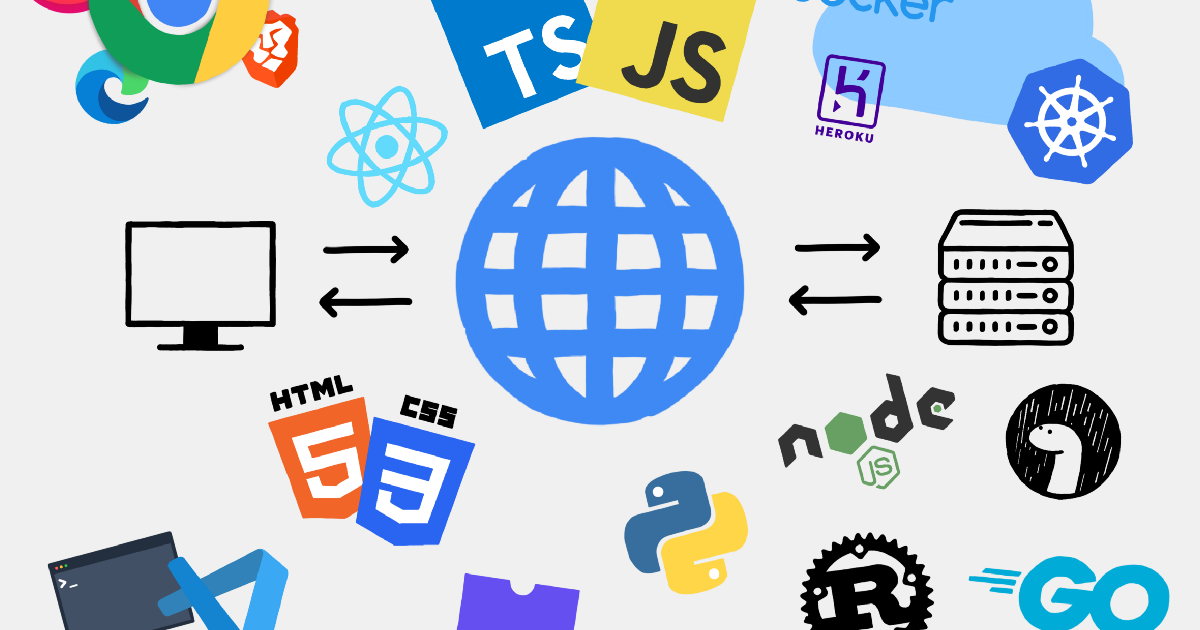
Selecting the right technologies is critical for long-term scalability and maintainability. Here’s a proven modern stack I frequently recommend and use:
- Frontend: React or Next.js — Next.js is especially powerful in 2026 for its built-in server-side rendering, static generation, and excellent performance optimizations.
- Backend: Node.js with Express for simpler projects, or NestJS for more structured, enterprise-grade applications with TypeScript support.
- Database: MongoDB for flexible, document-based data or PostgreSQL for relational data with strong consistency and advanced querying features.
- Deployment: Vercel for fast frontend deployments, AWS for robust cloud infrastructure, or reliable local Nigerian hosting options when data residency or latency is a priority.
This combination (often called a modern JavaScript/TypeScript stack) allows for fast development while supporting horizontal scaling as your application grows.
Step-by-Step Guide to Building a Scalable Web App
Here’s a high-level, practical process I follow when developing scalable web applications:
- Planning & Requirements
- Clearly define your goals, expected user load, key features, and growth projections. Identify performance bottlenecks early (e.g., high-traffic pages or heavy data processing).
- Setting up the Project
- Initialize your project with modern tools. For a Next.js + Node.js setup, start with Create Next App and set up a separate backend folder or use API routes initially.
- Building the Frontend
- Use React components with Next.js for optimized rendering. Focus on responsive design, efficient state management (e.g., Zustand or Redux Toolkit), and code splitting for better performance.
- Developing the Backend & APIs
- Build RESTful or GraphQL APIs using Node.js and NestJS/Express. Implement proper routing, validation, and error handling. Design APIs to be stateless for easier scaling.
- Database Integration & Authentication
- Connect your chosen database (MongoDB or PostgreSQL) using an ORM like Prisma or Mongoose. Add secure authentication (JWT, OAuth, or NextAuth) and implement role-based access control.
- Performance Optimization & Testing
- Add caching (Redis), optimize queries, enable compression, and monitor Core Web Vitals. Perform load testing and implement automated tests (Jest, Cypress) to catch issues early.
Common Mistakes to Avoid
Even experienced developers can fall into these traps when building scalable applications:
- Over-fetching data from the backend instead of using efficient queries or GraphQL.
- Poor state management on the frontend, leading to unnecessary re-renders and sluggish performance.
- Ignoring mobile-first design and responsive optimization, which hurts user experience in Nigeria’s mobile-heavy market.
- Tight coupling between frontend and backend, making future scaling or updates difficult.
- Skipping proper indexing in databases or neglecting caching strategies.
- Not planning for horizontal scaling from the start (e.g., designing everything as a single monolithic server).
Avoiding these early saves significant time and money during growth phases.
Real Project Example from My Portfolio
I recently helped a growing e-commerce business in Rivers State rebuild their online store as a scalable web application. We used Next.js for the frontend, NestJS + PostgreSQL for the backend, and deployed on a combination of Vercel and AWS for optimal performance.
The result was a 60% improvement in load times, better handling of peak sales periods, and easier inventory management. You can view similar case studies in my portfolio projects.
Ready to Build Your Own Scalable Web Application?
If you’re a business owner or startup in Nigeria looking to develop a high-performance, future-proof web application, I’d love to help.
Let’s discuss your project — whether it’s a custom web app, e-commerce platform, or SaaS product.
Contact Me or book a free consultation call today.